
My dog ate moldy food—what should I do?
 Call a vet now
Call your vet or the nearest emergency vet right now. Moldy food may contain fungus-produced toxins called tremorgenic mycotoxins that can cause toxicity in dogs.
What to do right now
- Call your vet or the nearest emergency vet.
- Note what was eaten, how much, and when.
- Bring the packaging.
- Remove what is left.
- Keep your dog calm.
Don't
- Do not make your dog vomit unless a vet tells you to.
- Do not give any human medicine.
Why it can be dangerous
Moldy food may contain fungus-produced toxins called tremorgenic mycotoxins that put dogs at risk of toxicity.[1] These toxins may be found in moldy bread, pasta, cheese, nuts, and other decaying matter such as compost.[1]
Signs to watch for
Where it is found
Not sure how serious it is?
OkPaw asks a few quick questions about your pet and tells you in 30 seconds whether it can wait. Free on Google Play for Android.

OkPaw is on Android now – an iPhone version is on its way.
Common questions
How much moldy food is dangerous?
Ingestion of moldy food puts dogs at risk of toxicity.[1]
What should I do now?
Call your vet or the nearest emergency vet right now.
What should I avoid doing?
Do not make your dog vomit unless a vet tells you to, and do not give any human medicine.
Sources
How this page was made: written with the help of AI from the sources below, then checked claim by claim against those sources. Urgency levels follow OkPaw’s fixed safety rules. It is guidance, not a diagnosis. How we write our pages
 Nicotine
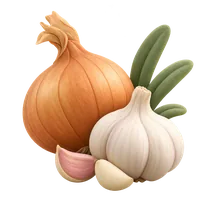 Onion
Onion